
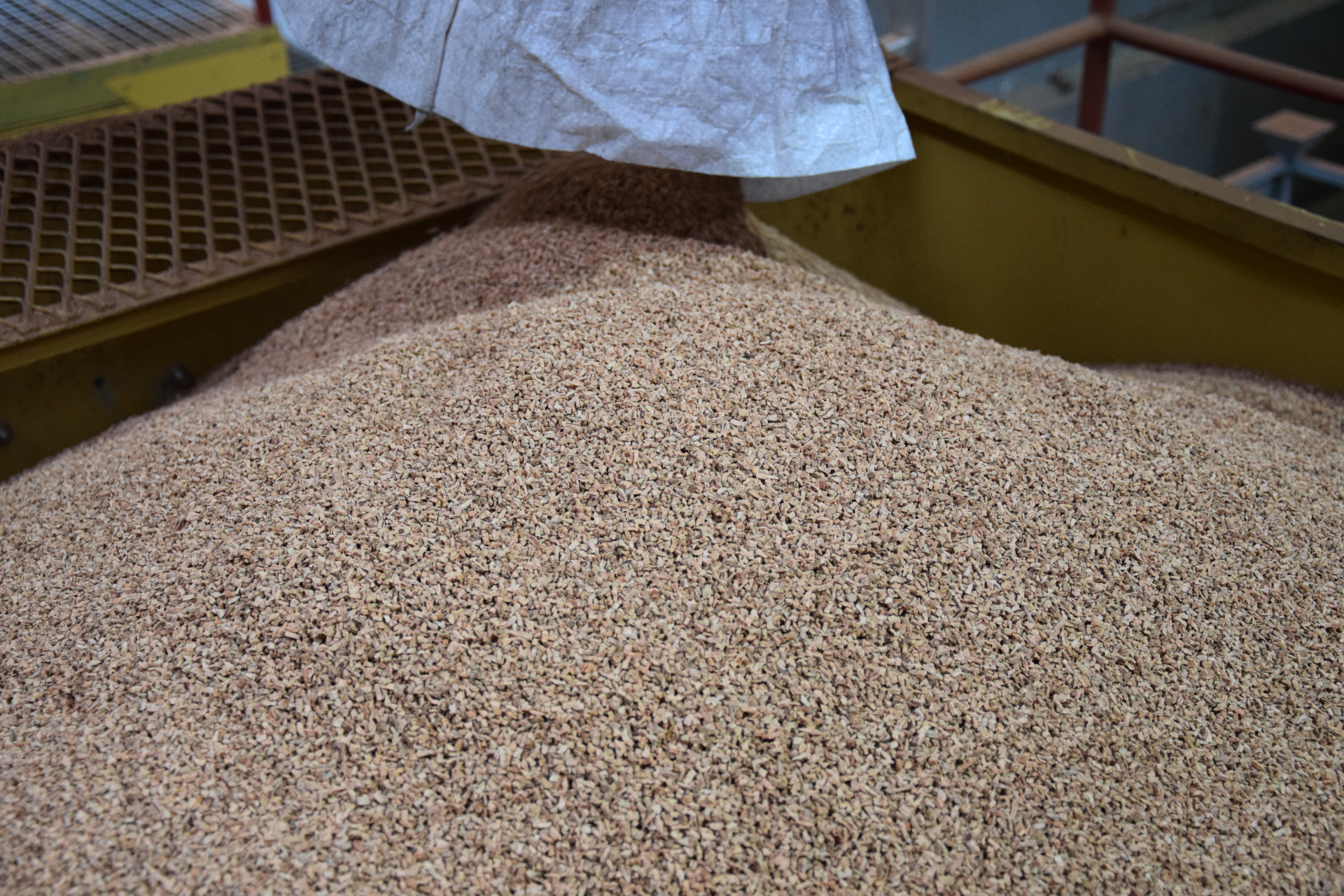
- Granulated cork is a natural material with fantastic industrial performance value.
- Its structure delivers a rare balance of lightness, insulation, resilience and adaptability across multiple applications.
- Granulated cork reflects a shift towards smarter, more conscious ways of designing and producing.
Granulated cork may look a simple material, but it is one of the most versatile cork products available today. Lightweight, natural, and highly adaptable, it is used across a wide range of industries, from bottle stoppers and construction materials to thermal and acoustic insulation, sports surfaces, aerospace and automotive industrial solutions, and product manufacturing.
Its popularity stems from the unique properties of cork itself: excellent thermal and sound insulation, compressibility, low weight, moisture resistance, and a renewable, more sustainable origin compared to synthetic materials. However, selecting the right granulated cork is not always straightforward. Factors such as grain size, density, moisture content, and the intended application can significantly influence performance.
In this article, we explore what granulated cork is, its main applications, and the key factors to consider when choosing the most suitable option for your project.
What is granulated cork?
Granulated cork is a natural, lightweight material derived from the bark of the cork oak tree (Quercus suber), carefully processed into small, uniform granules. It is not a synthetic invention, but rather a refined expression of nature’s own design, where a natural raw material is transformed into a versatile industrial resource.
At its core, granulated cork carries the intrinsic qualities of cork in its most adaptable form. It is elastic yet stable, resilient yet soft, and remarkably efficient in thermal and acoustic performance. These characteristics remain intact even after transformation, making it a material that bridges the gap between natural origin and technical performance.
Physically, granulated cork retains everything that makes cork distinctive at the level: roughly 40 million closed cells per cubic centimetre, suberin-rich cell walls, near-zero water absorption and high elastic recovery. The granulation process simply rearranges that cellular structure into particle sizes that can be poured, dosed, pressed or bonded into the geometry the application requires.
Calibrated grains typically span from 0.2 mm fine granulates up to 8 mm, with the possibility to extend to 14 mm for pourable applications. Apparent densities can be tuned from around 55 kg/m³ for lightweight, to 350 kg/m³ for high-density applications such as sports turf infill, where enhanced stability, durability, and performance are required.
Benefits of granulated cork
From weight to insulation, these are the main benefits of granulated cork.
Naturally lightweight
Granulated cork brings performance without unnecessary weight. Easy to transport, handle and integrate into industrial processes, it helps create lighter solutions without compromising efficiency or durability.
Comfort through insulation
Few natural materials manage temperature as effortlessly as cork. Its internal structure acts as a natural thermal barrier, helping spaces and products remain more stable, comfortable and energy efficient. It is also a fire retardant.
A quieter material by nature
Cork has an innate ability to absorb sound and vibration. In practice, this means calmer environments, reduced noise impact and materials that contribute to a more balanced and comfortable sensory experience.
Flexible, yet reliable
Pressure, movement and constant use are part of industrial reality. Granulated cork responds with a rare combination of elasticity and resilience, adapting without losing its integrity over time.
Resistant in everyday conditions
Humidity, friction and demanding environments are challenges many materials struggle with. Cork responds naturally, maintaining stability and performance even under continuous exposure and use.
Sustainability without effort
Perhaps one of cork’s most remarkable qualities is how naturally sustainable it is: cork is extracted from the bark of a Cork Oak tree without the need of chopping the tree. This allows for the bark to regrow and be harvested again 9 years after, and again, and again… Over 15 times on average over the tree’s lifespan. It is harvested responsibly and it represents a material where environmental respect is part of its essence.
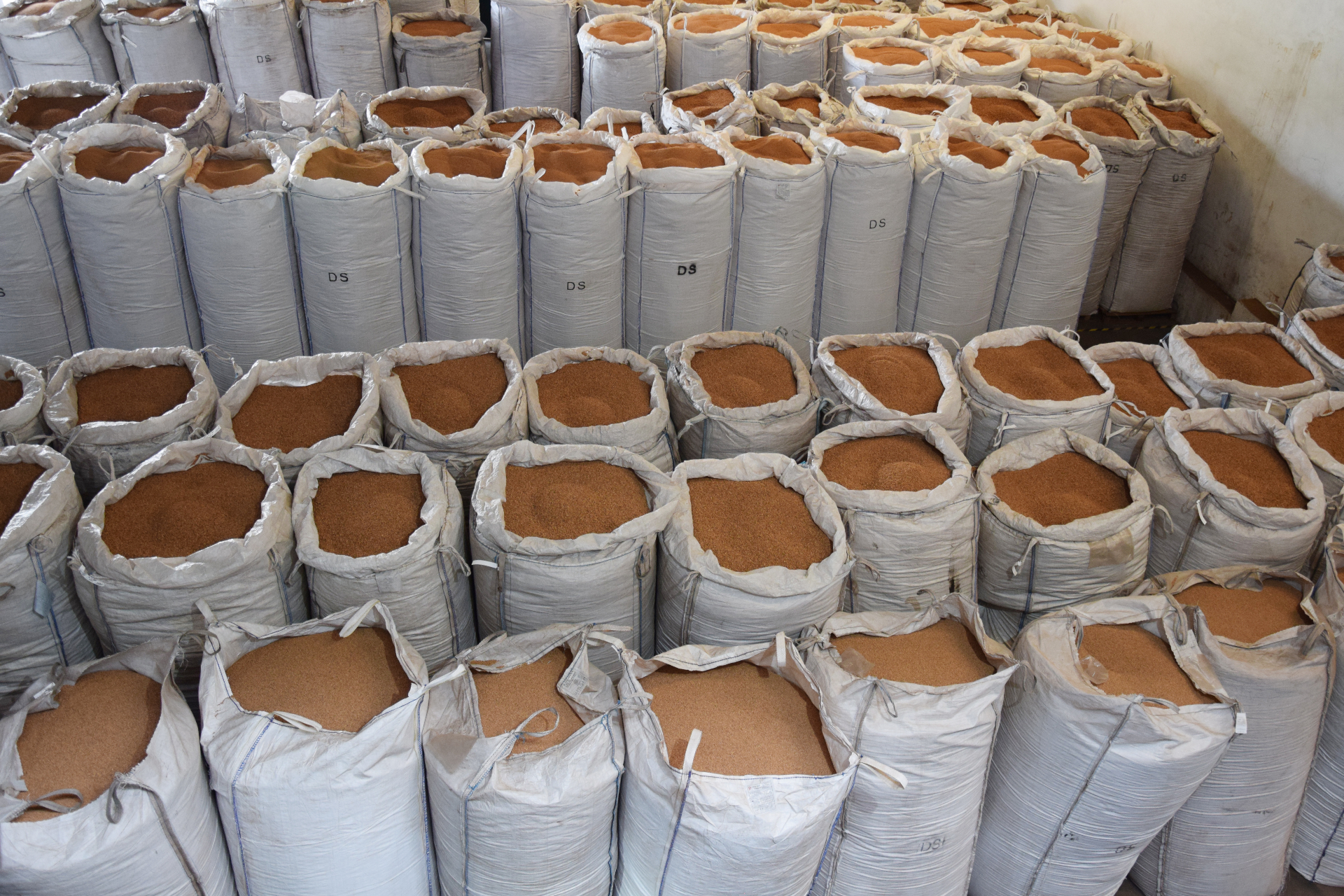
Production process of granulated cork
The journey of granulated cork begins long before the industrial process itself. It starts in the cork oak forests, where nature follows its own rhythm and the raw material is harvested with care, patience and respect for the tree.
Harvested without harm
Unlike many natural resources, cork can be extracted without cutting down the tree. The bark is carefully removed by skilled professionals, allowing the cork oak to continue growing and regenerating naturally over the years.
A material shaped by time
After harvesting, the cork is left to stabilize naturally. This stage allows the material to reach the right balance of humidity and consistency before entering the transformation process.
Selection and preparation
Each piece of cork is evaluated according to its characteristics and future purpose. The material is then cleaned and prepared, ensuring quality and consistency throughout production.
Grinding into granules
Once prepared, the cork is transformed into granules through a controlled grinding process. Different granulometries can be achieved depending on the intended application, from finer textures to more technical compositions.
One of the most remarkable aspects of granulated cork production is its efficiency. The dust, meaning cork particles smaller than 0.2mm, that cannot be used for other cork applications gains a new purpose here by being used as biomass to generate heat for our industrial processes. A circular approach where all waste is used and value is continuously recovered.

Granulated cork applications
From wine cork stoppers and beverage closures to construction materials, thermal and acoustic insulation, sports turf infill, infrastructure projects, and footwear manufacturing, granulated cork is a versatile material with applications across a wide range of industries.
Wine Industry and Cork Stoppers
The wine industry remains one of the largest consumers of granulated cork. Carefully selected cork granules are used to manufacture technical cork stoppers, micro-agglomerated cork stoppers, sparkling wine corks, and other bottle closures. Thanks to its elasticity, sealing performance, and sustainability, cork continues to be the preferred material for wine cork stoppers and beverage closures worldwide.
Construction, Building Insulation, and Acoustic Solutions
Granulated cork is widely used in construction materials, thermal insulation, acoustic insulation, cavity wall insulation, lightweight screeds, insulation panels, paint solutions and building envelope systems. Its natural thermal and acoustic properties help improve energy efficiency, indoor comfort, design and noise reduction in residential, commercial, and industrial buildings.
Cork Flooring and Surface Solutions
Cork granules are transformed into flooring underlays, cork flooring, wall coverings, acoustic panels, and surface solutions that combine durability, comfort, thermal insulation, and sound absorption. These products are increasingly used in homes, offices, schools, hotels, and public buildings.
Sports Surfaces and Infrastructure Applications
Granulated cork is a popular material for artificial turf infill, sports turf systems, athletic tracks, playground surfaces, equestrian arenas, and impact-attenuation flooring. Infrastructure applications include highway noise barriers, railway vibration-control systems, airport runways, taxiways, and transport infrastructure where vibration damping, durability, and environmental performance are critical.
Automotive, Aerospace, Aircraft, and Defense Applications
The automotive, aerospace, aircraft, and defense sectors benefit from cork's unique combination of low weight, thermal insulation, acoustic insulation, vibration damping, energy absorption, and fire resistance. Granulated cork is used in vehicle components, aircraft insulation systems, aerospace materials, defense equipment, protective systems, and specialized engineering applications where performance and reliability are essential.
Footwear and Textile Applications
Granulated cork is widely used in footwear materials, including insoles, midsoles, footbeds, and comfort layers. The textile and fashion industries also incorporate cork into innovative fabrics and composite materials, creating lightweight, durable, and sustainable products.
Design, Architecture, and Decorative Products
Architects and designers use granulated cork to create decorative panels, furniture components, wall coverings, and interior design elements. Its natural appearance, texture, and sustainability make it a popular choice for contemporary architecture and eco-friendly design projects. For curated lifestyle applications, explore our Lifestyle Cork range.
Industrial Cork Products and Technical Solutions
Granulated cork is also used in industrial cork products such as gaskets, seals, expansion joints, fillers, filtration systems, vibration-control components, and specialized technical solutions. These applications take advantage of cork's durability, compressibility, insulation properties, and long-term reliability.
Frequently asked questions about granulated cork
Some questions naturally arise about granulated cork. Here are a few of the most common ones.
Does granulated cork have a natural smell?
Yes. Cork naturally carries a subtle earthy aroma, especially in its rawer forms. It is a characteristic many associate with authenticity and natural origin rather than an industrial material.
Can granulated cork be customised?
Absolutely. Different granulometries, densities and compositions can be developed depending on the intended application, allowing industries to adapt the material to specific technical or aesthetic needs.
Is cork considered a vegan material?
Yes. Cork is entirely plant-based and harvested from the bark of the cork oak tree without harming it, making it a natural alternative for industries seeking animal-free materials.
Does granulated cork degrade over time?
Cork is remarkably stable and durable. When properly integrated into industrial applications, it maintains its performance and structure for long periods, even under demanding conditions.
Can cork contribute to more sustainable certifications?
Yes. Because it is renewable, recyclable and naturally low-impact, cork can support projects and products aiming for more sustainable standards and environmental certifications.
Granulated cork by Dimas & Silva: a natural step forward
We produce calibrated granulated cork from 0.2 to 8 mm, with densities adjustable between 55 and 350 kg/m³. Our portfolio also includes coarse cork grain – broken cork. We classify, calibrate, and supply the material according to granulometry curve and density rather than generic grading — ensuring that the cork arriving at the customer’s pressing line is exactly the cork the formulation was designed for. With our ISO 14001 and FSC® certifications, we guarantee eco-friendly operations and responsibly sourced materials.
Our granules leave the factory after a sequence of processes designed to guarantee supply consistency: granulometry classification through calibrated sieves, density separation, and moisture stabilisation.
For businesses looking to explore new possibilities with granulated cork, the next step can be as simple as starting a conversation. Request a sample or get in touch with Dimas & Silva to discover how cork can naturally integrate into future projects and applications.

Written by
Joana Silva
Joana Silva leads sustainability and communications at Dimas & Silva, bringing over a decade of experience in the cork industry and a passion for responsible sourcing and environmental stewardship.
Specifying for your project?
What are you developing?
Describe the application and our technical team replies within one business day — samples included where relevant.